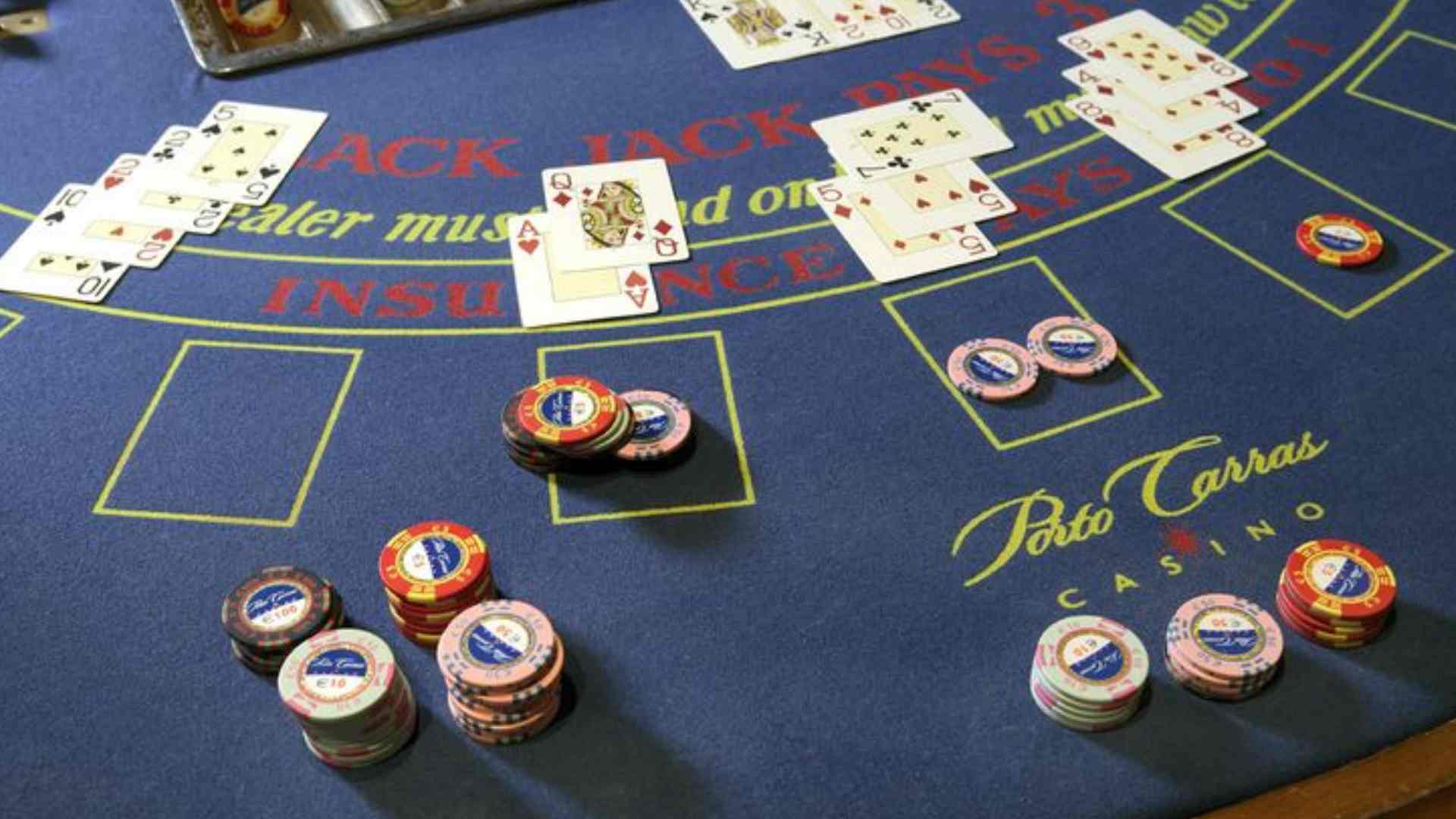
Engaging in classic card games over long periods demands far more than a basic understanding of rules or reliance on luck. Extended card sessions introduce a unique set of psychological challenges, where fatigue and emotional fluctuations can quickly erode a player's initial strategy. Maintaining consistency during these prolonged environments requires a steady mindset and behavioral control to prevent impulsive choices from undermining hours of careful play.
The Psychology of Endurance and Focus
As hours pass at the gaming table, cognitive fatigue naturally begins to set in, reducing a player's ability to calculate probabilities accurately. Without strict mental control, individuals often become susceptible to frustration or overconfidence, leading to uncharacteristic strategic errors. Recognizing the subtle signs of exhaustion is the first step toward safeguarding one's established game plan.
A disciplined participant establishes specific physical routines to combat this decline in analytical sharpness. Taking regular short breaks, staying hydrated, and avoiding emotional reactions help sustain clear decision-making throughout the session. This internal stability separates seasoned players from those who rely entirely on shifting table momentum.
Implementing Structured Operational Boundaries
Setting pre-determined financial and time limits before a single card is dealt serves as an essential safety net for long-term engagement. These strict boundaries ensure that personal emotions do not interfere with rational evaluation during complex rounds. When a player pre-defines their exit strategy, they effectively remove the temptation to make desperate, poorly calculated adjustments.
This methodology applies equally well to modern live platform environments, where digital interfaces enable rapid and continuous game loops. Players seeking to test their tactical discipline on contemporary digital platforms can utilize an m88 bet to experience managed risk options across various classic formats. Adhering strictly to personal operational limits ensures the experience remains focused on skill refinement and structural mastery.
Navigating Table Dynamics and Information Gathering
During lengthy sessions, observation becomes a vital resource as opponents reveal predictable behavioral patterns over time. A composed player uses this gradual accumulation of data to identify subtle changes in table habits and pacing choices. However, gathering information is only valuable if the player possesses the restraint needed to wait for mathematically favorable opportunities.
Rushing an adjustment out of impatience often results in unnecessary exposure and strategic vulnerability. True tactical control involves executing a balanced approach, choosing to pass or act based entirely on long-term value rather than immediate emotional satisfaction. This patient observation forms the foundation of sustainable table success across multiple historical and modern variants.
Sustaining Emotional Balance for Long Term Success
The ultimate test of structural control occurs when facing a consecutive series of unfavorable card distributions or unpredictable outcomes. Inexperienced participants frequently fall victim to behavioral biases, assuming that past results dictate future probability strings. Overcoming this logical pitfall requires a firm commitment to objective tracking and structural understanding.
By treating every round as an isolated event governed by independent mathematical percentages, players insulate themselves from emotional volatility. Developing this emotional detachment allows an individual to leave the session with their capital and strategic integrity intact. In the realm of traditional card rooms, behavioral control remains the most effective tool for managing prolonged exposure to chance.